india-guide.in
Population
3,000
Best Time
October to April
Time Needed
2-3 days minimum
Currency
Rupee (₹)
Showcase Your Photography Skills • Help Thousands of Travelers • Get Featured with Credit
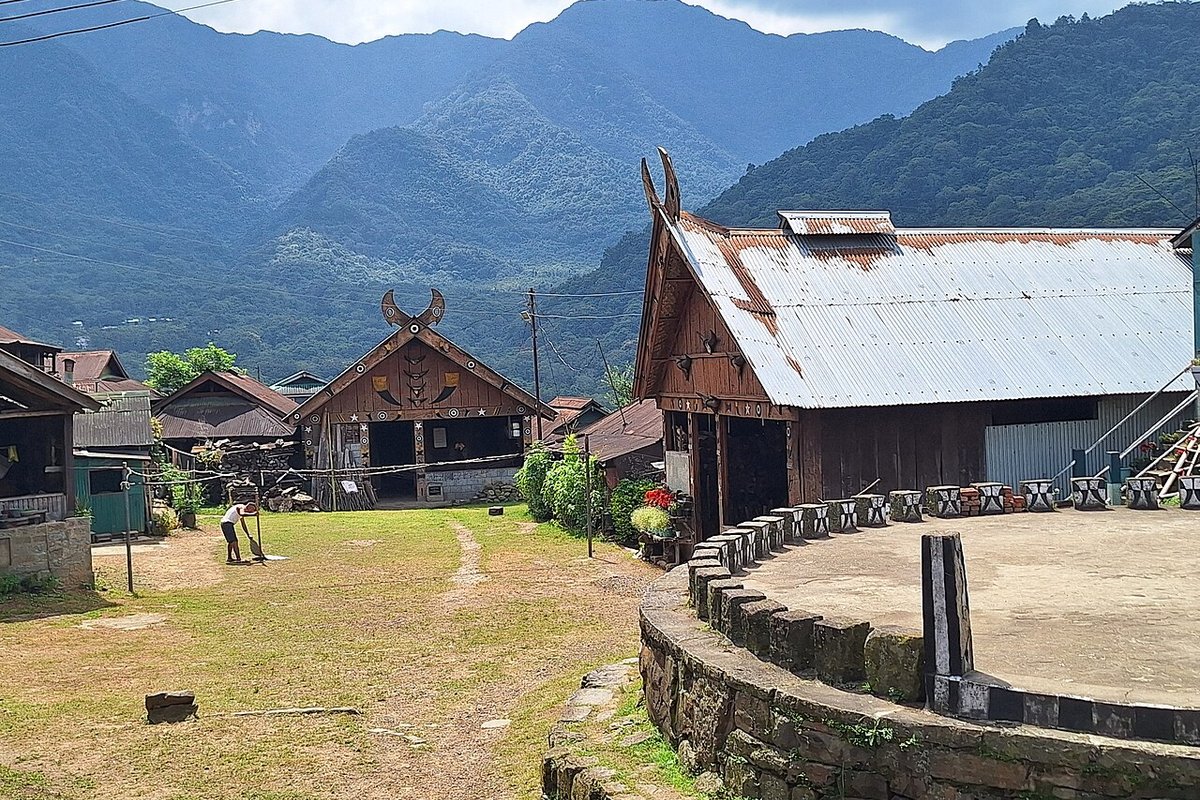
Khonoma is a unique village in Nagaland, recognized as India's first 'green village'. Home to the Angami Naga tribe, it showcases a harmonious blend of traditional practices and eco-conscious living. The village is known for its sustainable practices, including community-led conservation efforts and traditional farming techniques on terraced fields.
Khonoma offers an authentic cultural experience and beautiful natural landscapes. The village provides insights into Naga traditions and sustainable living. However, accessibility can be challenging due to its remote location and limited infrastructure. Consider visiting if you're interested in cultural immersion and off-the-beaten-path travel.
Reaching Khonoma requires travel from Dimapur, the nearest airport. Plan for at least two to three days to explore the village and surrounding areas. Arrange transportation in advance, as options are limited.
October to April
15-25 degrees C
Pleasant and dry, ideal for trekking and exploring the village. Clear skies offer great views of the surrounding landscapes.
Why Visit:
This period avoids the monsoon season, making outdoor activities more enjoyable. The weather is perfect for exploring the terraced fields and participating in cultural events. You can witness the post-harvest celebrations and festivals during this time. The dry weather also makes travel easier.
Tip: Book accommodations in advance, as availability is limited. Prices may be slightly higher due to peak season.
May to June, September
20-30 degrees C
Warm with occasional rainfall. Humidity can be high, especially in May and June.
Why Visit:
Fewer tourists compared to the peak season, offering a more secluded experience. The landscape is lush and green after the monsoon.
Tip: Be prepared for occasional rain showers. Some trekking routes may be slippery.
July to August
22-32 degrees C
Heavy rainfall during the monsoon season. Landslides are common, making travel difficult and potentially dangerous.
Why Avoid:
Travel is difficult due to heavy rains and potential landslides. Outdoor activities are limited and visibility is often poor.
Note: Avoid visiting during this time unless absolutely necessary. Road closures are frequent.
Khonoma Village Gate
The Khonoma Village Gate is a traditional wooden gate marking the entrance to the village. It symbolizes the village's rich history and cultural heritage.
The gate is intricately carved with traditional Naga motifs and serves as a welcoming point. Take photos and appreciate the craftsmanship.
There are no restrictions on visiting. Be respectful of the local customs.
Hours: Open 24 hours
Best Time: Any time of day - good for photos
Getting There: Located at the entrance of the village; easily accessible by foot.
💡 Insider Tip:
Take a photo with a local guide to learn about the gate's significance.
Angami Naga Traditional Houses
These traditional houses showcase the unique architectural style of the Angami Naga tribe. They are built with locally sourced materials and designed to withstand the region's climate.
Observe the distinctive features of the houses, such as the thatched roofs and wooden structures. Some houses may be open for visitors to observe the interiors.
Respect the privacy of the residents. Ask for permission before taking photographs inside the houses.
Hours: Open during daylight hours
Best Time: Morning or afternoon - to see daily life
Getting There: Located throughout the village; accessible by foot.
Honest Take: Worth visiting to understand local architecture.
💡 Insider Tip:
Engage with the homeowners to learn more about their lifestyle and traditions.
Terraced Rice Fields
The terraced rice fields are a defining feature of Khonoma's landscape. These fields are carefully cultivated using traditional farming techniques, showcasing the community's sustainable practices.
Walk along the paths between the terraces and admire the intricate irrigation systems. The fields offer panoramic views of the surrounding hills.
Wear comfortable shoes suitable for walking on uneven terrain. Avoid disturbing the crops.
Hours: Open during daylight hours
Best Time: Early morning or late afternoon - best light
Getting There: Located around the village; accessible by foot.
Honest Take: A must-see for nature lovers.
💡 Insider Tip:
Visit during the planting or harvesting season to witness the farming activities.
Khonoma Nature Conservation and Tragopan Sanctuary (KNCTS)
The KNCTS is a community-managed sanctuary dedicated to preserving the region's biodiversity. It is home to a variety of flora and fauna, including the endangered Tragopan bird.
Trek through the sanctuary's trails and observe the diverse plant and animal life. The sanctuary offers opportunities for bird watching and nature photography.
Hire a local guide to enhance your experience and learn about the sanctuary's conservation efforts. Obtain necessary permits before entering the sanctuary.
Hours: 08:00-16:00 daily
Best Time: Morning - for bird watching
Getting There: Located a short distance from the village; accessible by foot or local taxi.
Honest Take: Worth it for birdwatchers and nature enthusiasts.
💡 Insider Tip:
Carry binoculars and a field guide for identifying bird species.
Morungs (Traditional Dormitories)
Morungs are traditional dormitories for young men in Naga villages. They served as centers for education, social gatherings, and defense training.
Visit the Morungs to learn about their historical significance and architectural features. Some Morungs may display traditional artifacts and tools.
Respect the cultural significance of the Morungs. Ask for permission before entering.
Hours: Open during daylight hours
Best Time: Any time of day - learn about the history
Getting There: Located within the village; accessible by foot.
Honest Take: Good for understanding Naga social structure.
💡 Insider Tip:
Talk to the village elders to hear stories about the Morungs' past.
Dzüko Valley Trek (nearby)
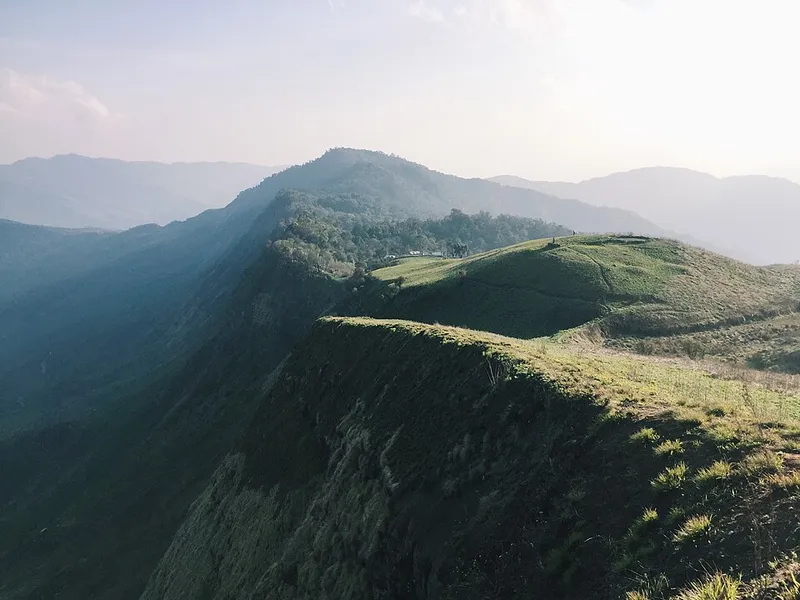
While not directly in Khonoma, Dzüko Valley is a popular trekking destination accessible from Kohima, near Khonoma. It's known for its stunning landscapes, seasonal flowers, and rolling hills.
The trek involves moderate to challenging terrain. You'll be rewarded with breathtaking views of the valley and its unique ecosystem.
Hire a local guide and porter for a safe and enjoyable trekking experience. Obtain necessary permits before starting the trek.
Hours: N/A
Best Time: October to April - best weather
Getting There: Start point is near Kohima, requires taxi/shared transport.
Honest Take: Physically demanding, but worth it for the views.
💡 Insider Tip:
Pack light and carry plenty of water.
War Memorial Stone
This memorial commemorates the battles fought by the villagers to protect their land and way of life. It is a symbol of their bravery and resilience.
Observe the stone carvings and inscriptions that depict scenes from the battles. Reflect on the village's history and the sacrifices made by its people.
Be respectful of the memorial. Maintain silence and avoid any disruptive behavior.
Hours: Open 24 hours
Best Time: Any time of day
Getting There: Located in the village, easily accessible by foot.
💡 Insider Tip:
Learn about the historical context of the memorial from a local guide.
Explore the Khonoma Nature Conservation and Tragopan Sanctuary with a local guide. Spot various bird species, including the endangered Blyth's Tragopan.
Enjoy the serene environment and learn about the local flora and fauna. The guide will help you identify different bird calls and behaviors.
Best for: Nature enthusiasts, bird lovers
Good to know: Carry binoculars and wear comfortable walking shoes. The best time for bird watching is early morning.
Learn to prepare traditional Angami Naga dishes using locally sourced ingredients. Experience the unique flavors and cooking techniques of the region.
Participate in the cooking process and enjoy the meal you prepared. Interact with the local family and learn about their culinary traditions.
Best for: Foodies, cultural travelers
Good to know: Inform the host about any dietary restrictions or allergies in advance. The class usually includes a visit to the local market.
Embark on a challenging trek to Pulie Badze, a high-altitude peak near Khonoma. Enjoy panoramic views of the surrounding hills and valleys.
Experience the rugged terrain and diverse vegetation. The trek offers a sense of accomplishment and connection with nature.
Best for: Adventure seekers, experienced trekkers
Good to know: Wear sturdy hiking boots and carry plenty of water. The trek requires a good level of fitness.
Learn the art of traditional Naga weaving and handicraft making from skilled artisans. Create your own souvenir using local materials.
Experience the intricate techniques and patterns of Naga textiles. Support the local economy by purchasing handmade products.
Best for: Art enthusiasts, cultural travelers
Good to know: The workshop provides all necessary materials and tools. You can take home the item you create.
Full day | ₹100 (Indians), ₹500 (foreigners) + transport | Kisama Heritage Village, near Kohima
The Hornbill Festival showcases the diverse cultures and traditions of Nagaland's various tribes. It is a vibrant celebration of Naga heritage.
Experience traditional dances, music, games, and food. Witness the colorful costumes and intricate crafts. The festival offers a unique insight into Naga culture.
Attend the festival early to avoid crowds. Be respectful of the cultural performances and traditions.
Tip: Book accommodations and transportation in advance, as the festival attracts a large number of tourists.
1-2 hours | Free (with permission) | Khonoma Village Council Hall
Observe a traditional village council meeting and learn about the local governance system. The council plays a vital role in decision-making and community management.
Witness the discussions and deliberations on important village matters. Gain insights into the traditional leadership structure and conflict resolution mechanisms.
Obtain permission from the village elders before attending the meeting. Be respectful of the proceedings and avoid any interruptions.
Tip: Dress modestly and maintain silence during the meeting.
1-2 hours | ₹300-500 per person | Arranged through homestays or local guides
Listen to traditional Naga stories narrated by village elders. Learn about the myths, legends, and history of the Angami Naga tribe.
Experience the rich oral tradition and cultural heritage of the region. The stories often convey moral lessons and cultural values.
Engage with the storyteller and ask questions. Show appreciation for their knowledge and wisdom.
Tip: The storytelling session can be arranged in a traditional setting, such as a Morung or a community hall.
1-2 hours | Free | Khonoma Baptist Church
Experience the local Christian community by attending a church service. Christianity plays a significant role in Naga society.
Witness the hymns, prayers, and sermons in the local language. Observe the cultural expressions of faith.
Dress modestly and be respectful of the religious practices. Participate in the service if you feel comfortable.
Tip: The church service is usually conducted in Angami Naga, but English translations may be available.
2-3 hours | ₹200-400 per person | Arranged through homestays
Visit a local farm and learn about traditional farming practices. See how the Angami Naga cultivate rice and other crops using sustainable methods.
Participate in farming activities, such as planting, weeding, or harvesting. Gain insights into the community's reliance on agriculture.
Wear appropriate clothing and footwear for working in the fields. Show respect for the farmers and their land.
Good to know: You may be offered a chance to taste freshly harvested produce.
Tip: Arrange the visit through your homestay to ensure a genuine experience.
2 hours | Free (organized by locals) | Village grounds
Participate in or watch traditional Naga games, showcasing physical strength and skill. These games are an integral part of Naga culture and festivities.
Witness events like spear throwing, wrestling, and stone pulling. Learn about the rules and significance of each game.
Cheer on the participants and enjoy the festive atmosphere. Be respectful of the traditional customs and regulations.
Tip: These games are often organized during festivals or community gatherings. Check with the locals for scheduling.
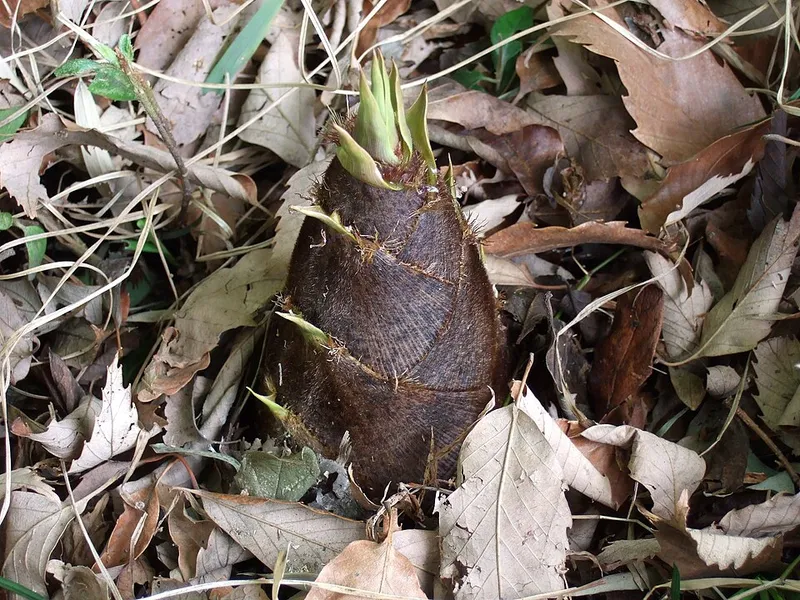
Bamboo Shoot Fry
a local delicacy made with fermented bamboo shoots (try at homestays)
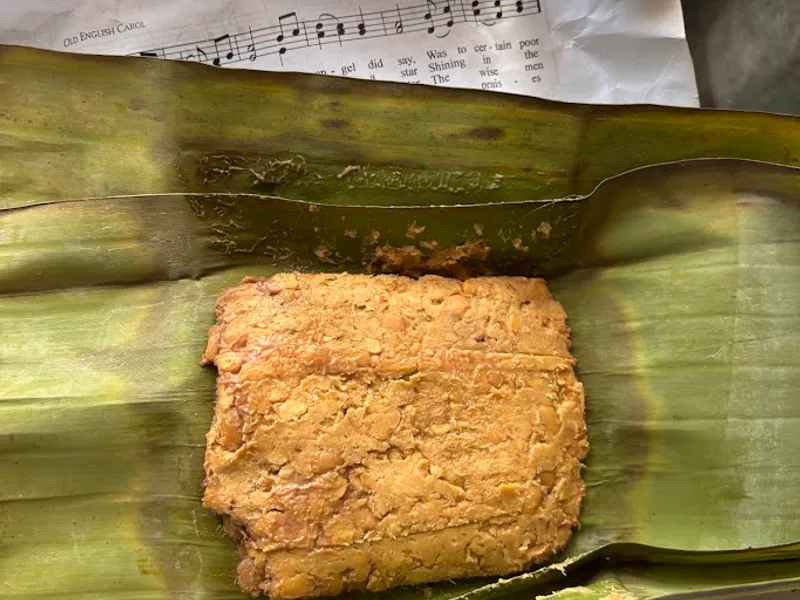
Smoked Pork with Akhuni
smoked pork cooked with fermented soybean (try at local restaurants)
Naga Dal
lentil soup with local herbs and spices (try at homestays)
Rice Beer
a traditional alcoholic beverage made from fermented rice (available at local shops)
Anishi
Fermented yam leaves, used to flavor dishes
Naga, Indian, Chinese
📍 Kohima
A popular restaurant in Kohima serving a variety of dishes. Offers a comfortable dining experience with good service.
₹600-800 for two
Traditional Naga
📍 Khonoma Village
Small eateries in Khonoma Village serving authentic Naga cuisine. Offers a chance to experience local flavors at affordable prices.
₹300-500 for two
Cafe, Snacks
📍 Kohima
A cozy cafe in Kohima serving tea, coffee, and snacks. A great place to relax and unwind.
₹200-400 for two
Naga
📍 Kohima
Offers a wide range of Naga dishes in a comfortable setting. Good for trying different local specialties.
₹500-700 for two
💰 Budget: ₹50-150 per person
⚠️ Tips: Be mindful of hygiene. Try food from vendors with high turnover.
Best for experiencing local culture and traditions. Expect basic amenities and a close-knit community atmosphere. Homestays are the primary option here.
Best For: Cultural immersion, budget travelers
Offers a wider range of accommodation options, from budget hotels to luxury resorts. It's the state capital, so expect more amenities and services. However, it is 70 km away.
Best For: Comfort, convenience, business travelers
₹800-1200/night
📍 Khonoma Village
Basic but comfortable rooms in traditional houses. Provides an authentic cultural experience.
₹800-1200/night
📍 Khonoma Village
Eco-friendly homestay with simple amenities. Offers a chance to experience sustainable living.
₹900-1300/night
₹1500-2500/night
📍 Near Khonoma
Comfortable rooms with scenic views of the Dzukou Valley. Offers guided treks and cultural tours.
₹1500-2500/night
📍 Near Kohima (closer than Khonoma)
Glamping experience with comfortable tents and modern amenities. Offers a unique blend of nature and luxury.
₹2000-3000/night
₹4000+/night
📍 Kohima (70km from Khonoma)
Luxury hotel with spacious rooms and excellent service. Features a restaurant, bar, and spa.
₹4000+/night
📍 Kohima
Modern hotel with stylish rooms and panoramic views. Offers a restaurant, fitness center, and conference facilities.
₹3500+/night
Airport: Dimapur Airport (DMU), 70km from village
Dimapur Railway Station (DMV)
Main railway station in the region. Connects to major cities in India.
Booking: IRCTC or 12Go.asia
Note: Trains more comfortable
💰 ₹50-100 per trip within Khonoma, ₹200-300 to Kohima
Best for: Traveling between Khonoma and nearby towns
Negotiate the fare before starting the journey. Shared taxis are the most common mode of transport.
💰 Free
Best for: Exploring Khonoma Village
Wear comfortable shoes as the terrain can be uneven. The village is best explored on foot.
Wear comfortable and modest clothing. Dress in layers as the weather can change quickly. Carry a light jacket or sweater.
Daily Budget: Budget: ₹1500, Mid: ₹3000, Luxury: ₹5000+
ATMs: Limited availability in Khonoma. Carry sufficient cash.
Cash vs Card: Cash is preferred. Cards are accepted at some hotels in Kohima.
Bargaining: Not common, but acceptable in markets.
Water: Drink bottled or boiled water. Avoid tap water.
Food: Eat at reputable establishments. Be cautious of street food.
Common Issues: Altitude sickness (if trekking), insect bites. Bring necessary medications.
SIM Cards: Airtel and Jio have decent coverage. Purchase at Dimapur Airport or Kohima.
WiFi: Limited availability. Mostly at hotels in Kohima.
Language: English proficiency is moderate. Learning a few basic Angami phrases can be helpful.
Tipping: Restaurant: 5-10%, drivers: ₹50-100
Top Attractions:
+2 more attractions
Top Attractions:
+3 more attractions
Top Attractions:
+3 more attractions
Top Attractions:
+3 more attractions
Top Attractions:
+3 more attractions
Top Attractions:
+2 more attractions
Top Attractions:
+3 more attractions
Top Attractions:
+2 more attractions
Top Attractions:
+3 more attractions
Top Attractions:
+3 more attractions
Top Attractions:
+3 more attractions
Help fellow travelers by sharing your authentic travel photos. Get credited with your name and social links!
Coming Soon
Your photo could be here!
Coming Soon
Your photo could be here!
Coming Soon
Your photo could be here!
Help us improve! Report incorrect information or suggest updates.
Know a hidden gem we're missing? Help us add it to the guide!
Choose which cookies you want to allow. Essential cookies are always enabled.